ai-coding
Amplify Your AI Agents. Give Them a Computer.
A field guide to agents that check their own work, so you can stop babysitting them.
Two decades building software and the teams that build software — currently in digital healthcare, working on what AI changes about the craft. This is where I publish what I learn. Field notes on agentic coding, high-performing teams, and what "done" means when the agents write most of the code. Occasionally in Swedish, when the story demands it.

Building Lotsa on the side — governed AI execution for regulated enterprises. Try Lotsa →
A field guide to agents that check their own work, so you can stop babysitting them.
A thesis
Where I think AI coding is going. It's reorganising software work along a four-stage progression. The models are good enough. The infrastructure isn't.
Read the argument →Cheat sheets
One-page references for putting it into practice.
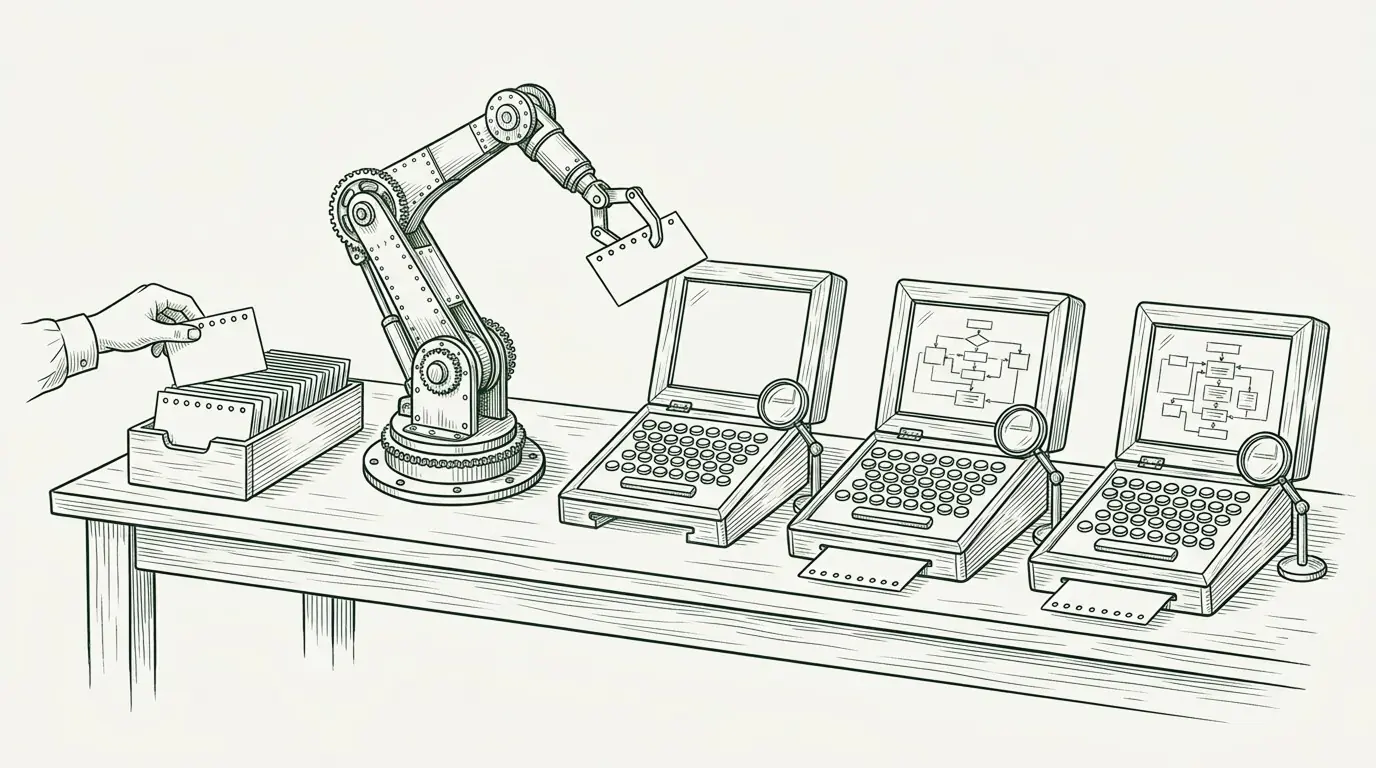
The six verification tiers, the eight proofs every change needs, and a verification contract to paste into CLAUDE.md or AGENTS.md.
The Scope → Plan → Execute → Verify → Wrap-up cycle, AGENTS.md rules, context hygiene and anti-patterns.
 ai-coding
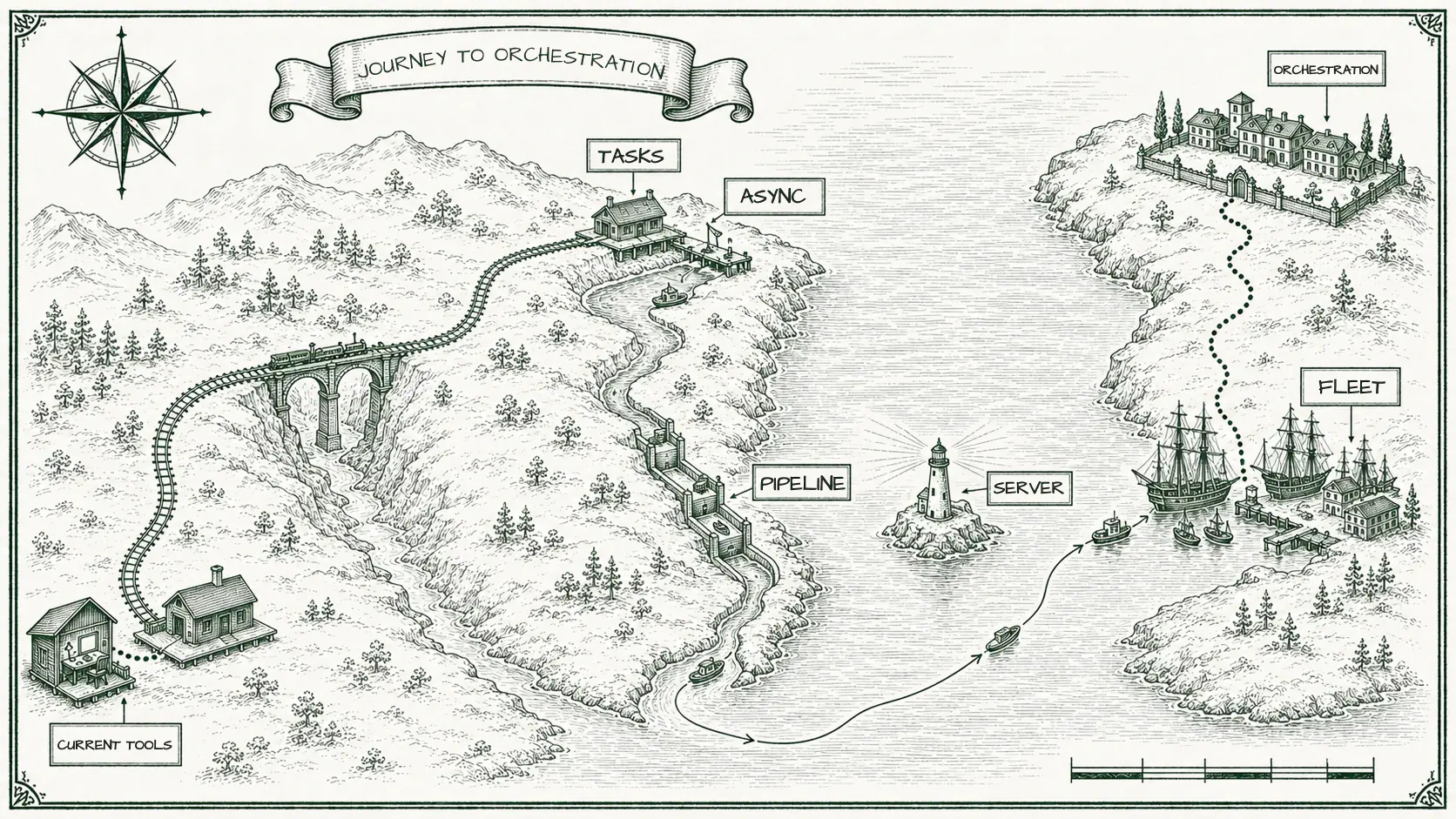
Long chats, dead agents, skipped tests. Lessons from the road from delegating to orchestrating AI coding agents.
 ai-coding
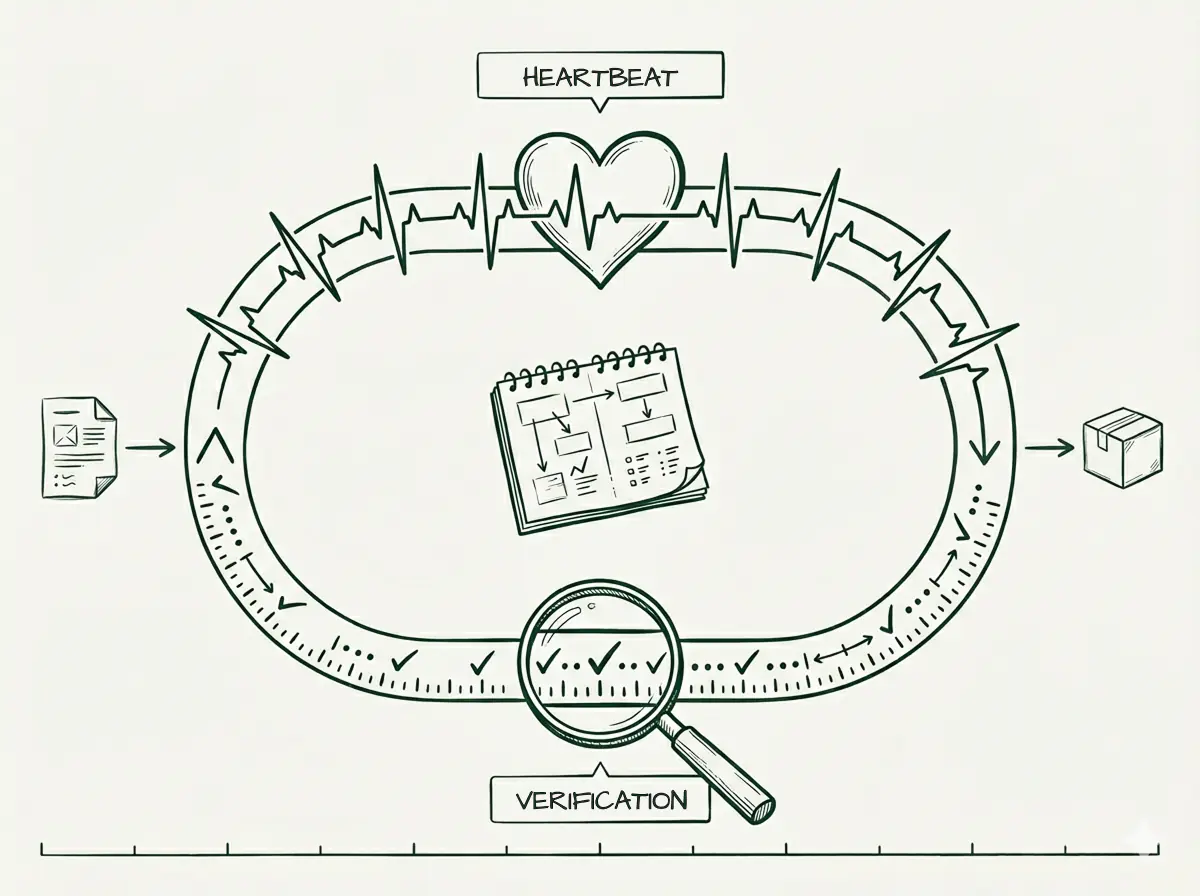
Agents must verify their own work — but the shape of that loop depends on what you're building. Solo work versus team-scale, runners versus workflows.
 ai-coding
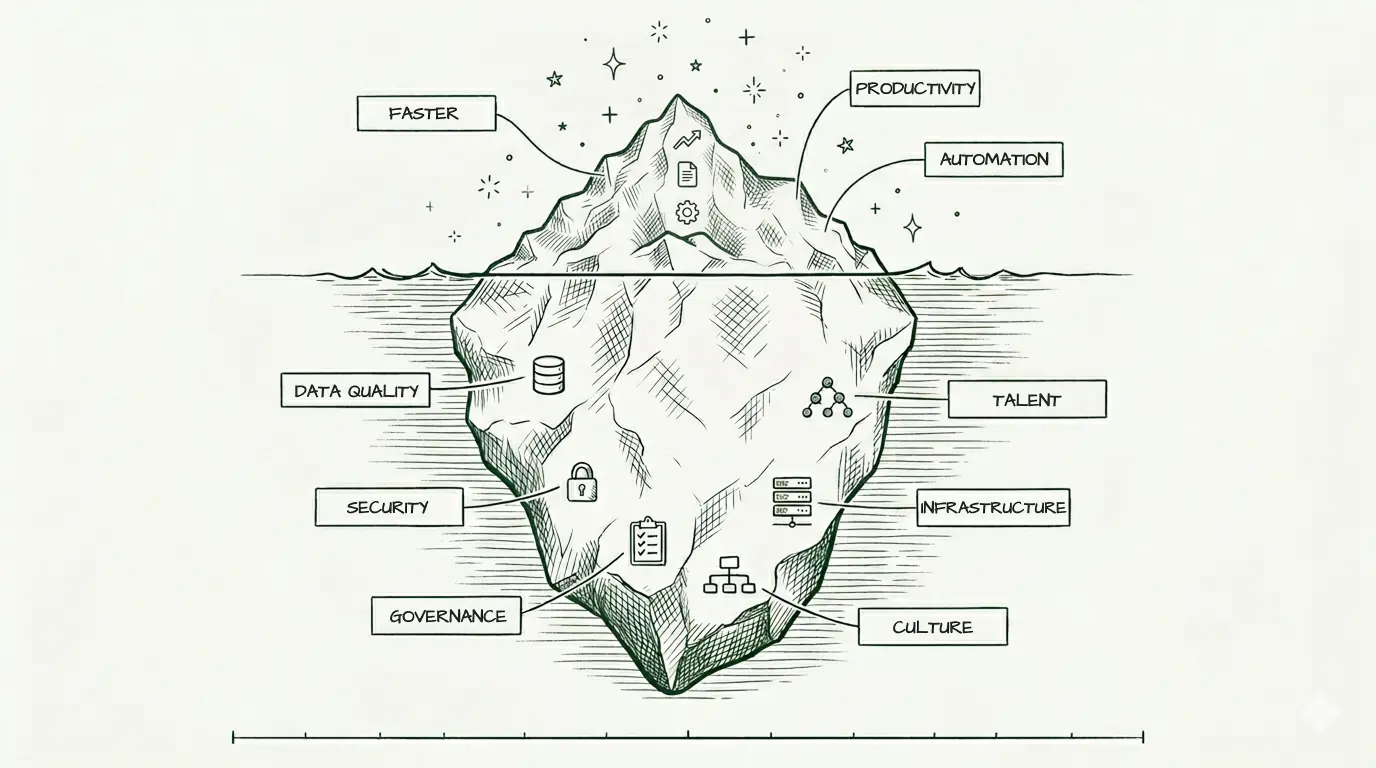
Executives want AI gains. But AI is a force multiplier — it multiplies whatever you have, including your problems. Why Spotify and Stripe succeeded, what most companies miss,...

I've spent the better part of two decades building software and the teams that build software — currently leading engineering at a Swedish healthtech preparing for IPO, where the fun part is shipping AI into healthcare without breaking the things that make it trustworthy.
This is where I think out loud. Field notes on agentic coding, post-mortems on interesting failures, and the occasional Swedish-language piece when the story demands it. Slow writing on fast-moving things.